
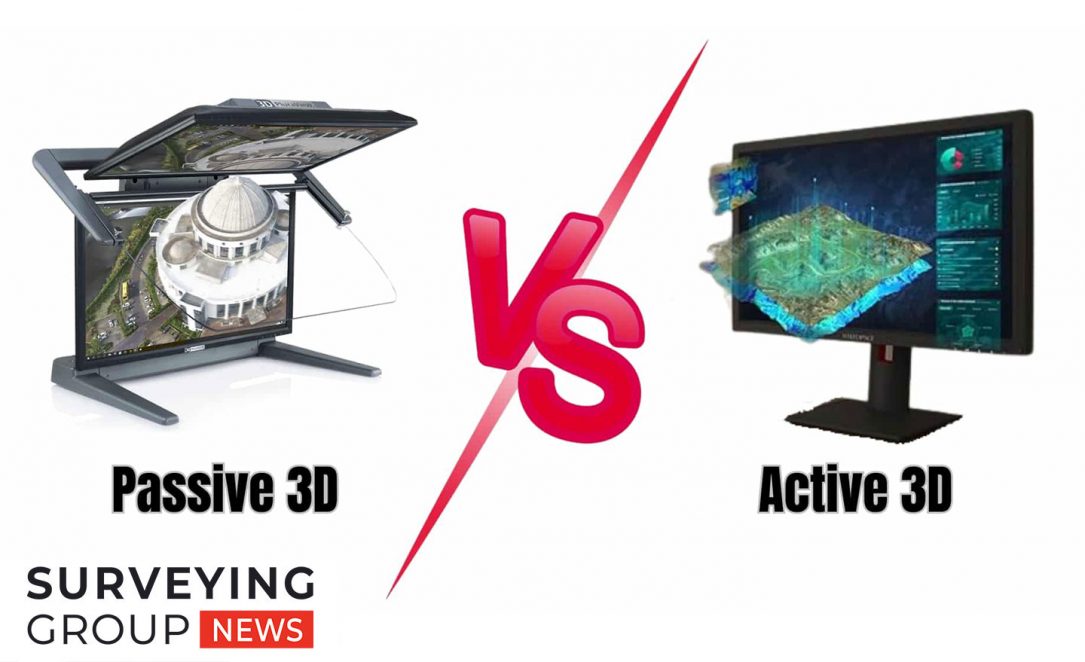
To help you decide, Josef Schneider compares active and passive 3D monitors in Surveying News: The world of 3D technology has made considerable progress and 3D monitors in particular now offer impressive viewing experiences. There are two main types of 3D monitors: active and passive. Active 3D monitors use shutter glasses that alternately display images to each eye, which allows for higher resolution and more intense depth perception, but can be more expensive and eye-straining. Passive 3D monitors use lighter, polarized glasses that flicker less and are less expensive, but generally offer lower image quality. The choice of a suitable monitor depends on individual requirements: Active 3D is suitable for more intensive applications such as films and games, while passive 3D is ideal for more cost-effective and eye-friendly solutions, particularly in the GIS and mapping sector.
Schneider Digital at the Laval Virtual 2025
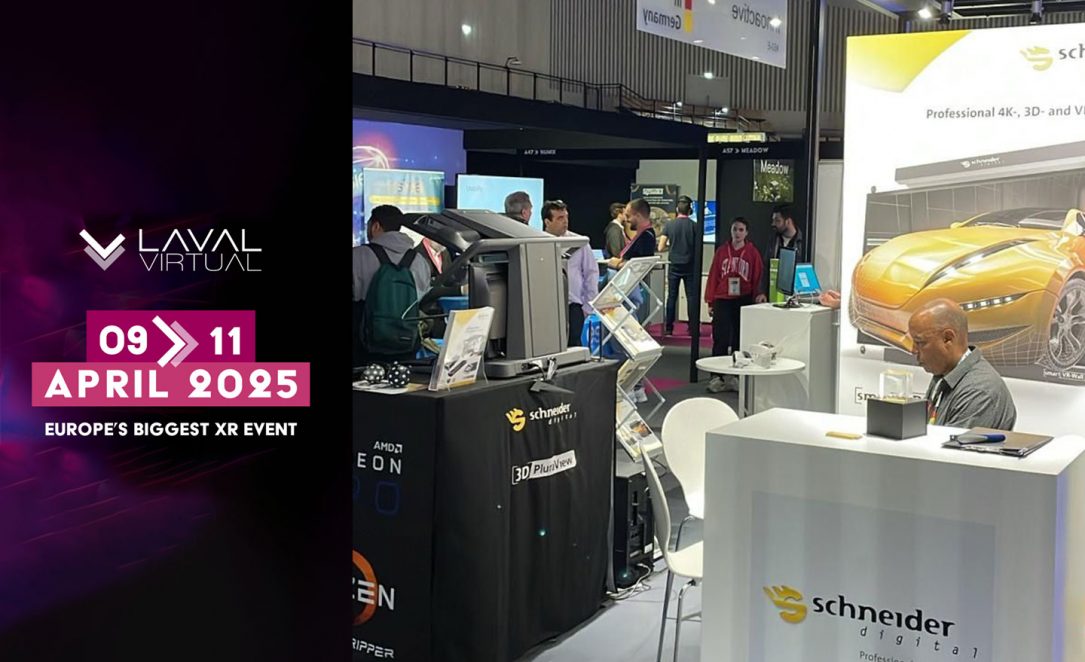
At Europe’s largest XR event, Schneider Digital presented state-of-the-art 3D solutions – from high-end workstations and PluraView stereo monitors to large-scale LED installations. Laval Virtual 2025 was a complete success for the team – with inspiring encounters, innovative presentations and a clear view of the future of immersive technologies.
Beginner’s guide to passive 3D stereo monitors for GIS experts
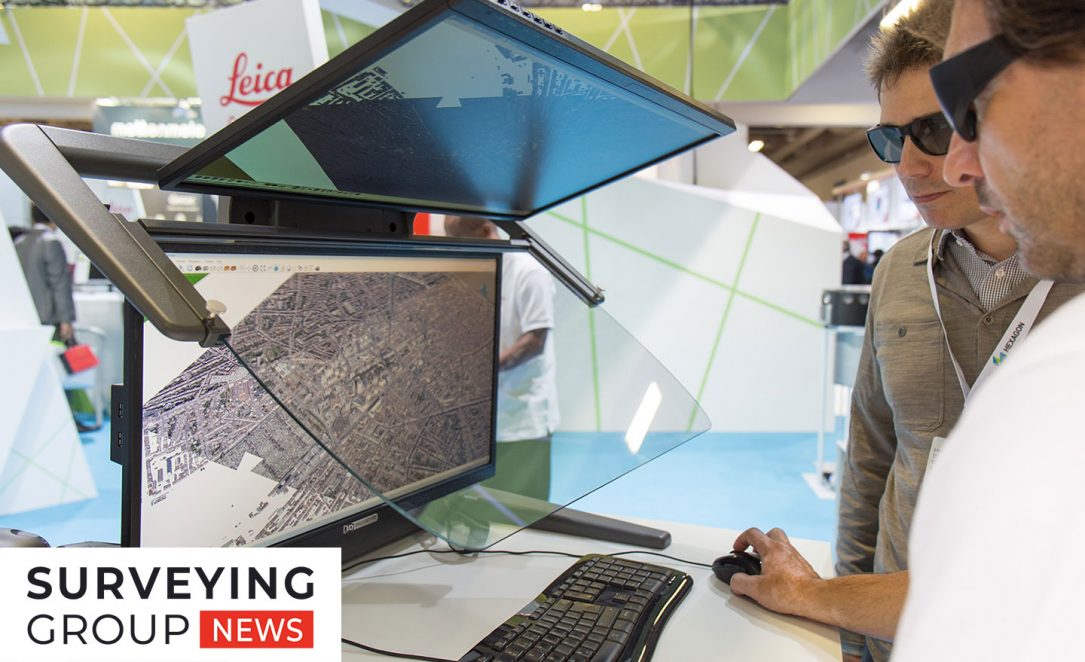
Josef Schneider’s guide shows how passive 3D monitors optimize the visualization and analysis of complex GIS data through better depth perception. The advantages for GIS experts in particular, such as improved work efficiency with 3D monitors, are described in 10 practical tips.
AI innovation on the shop floor with Fraunhofer IPT and Schneider Digital
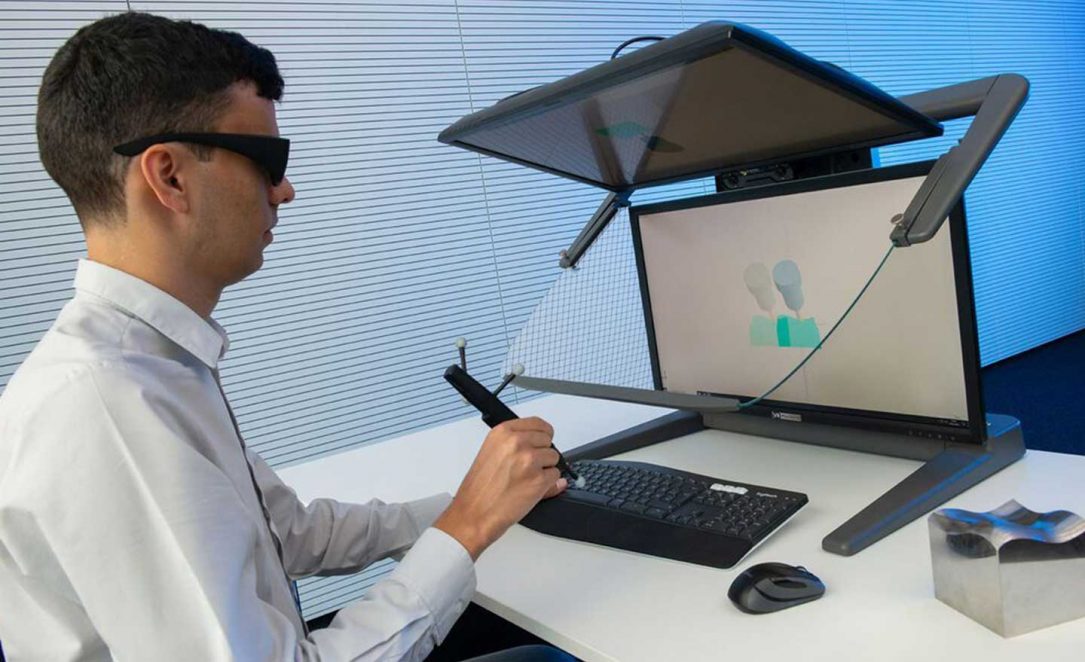
Schneider Digital is supporting the Fraunhofer IPT (Institute for Production Technology) in the development of CAMStylus – a pioneering solution that combines virtual reality and artificial intelligence for the intuitive creation of toolpaths. This technology revolutionises CAM programming through precise gesture recognition and AI-supported optimisation. Find out more in an Industry of Things article: ‘Paint first, mill later – cutting tool paths can now be drawn using AI’.
How to choose the best passive 3D stereo monitor for GIS and mapping?
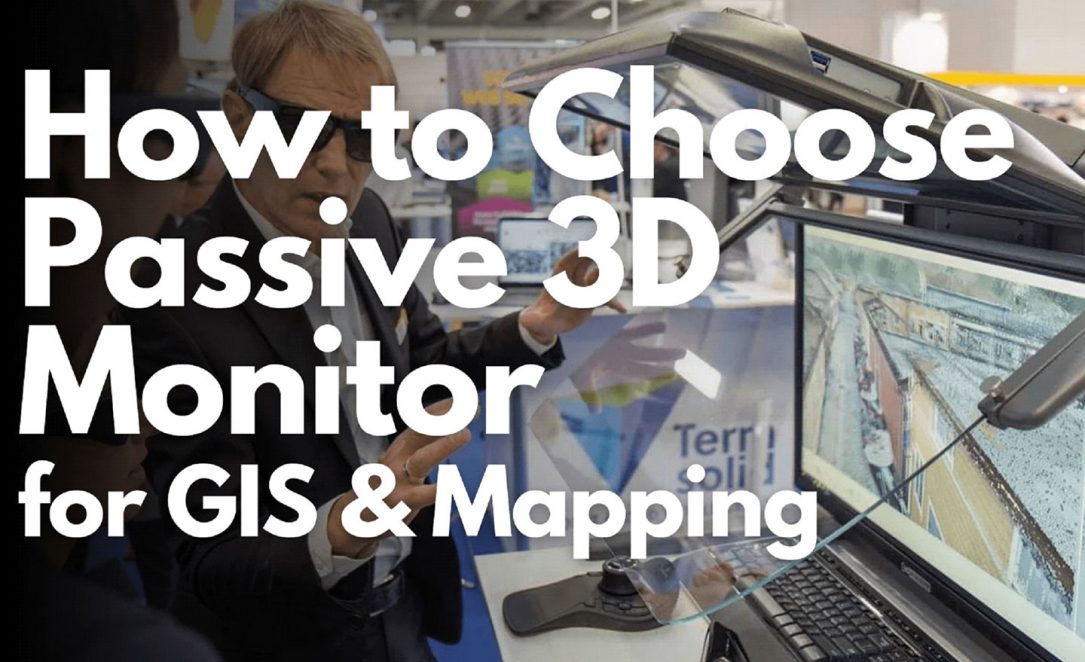
Choosing the right monitor plays a decisive role in precise GIS and mapping work. In his article for Surveying Group News, owner Josef J. Schneider describes everything that needs to be considered, such as IPS technology and ergonomic functions.